
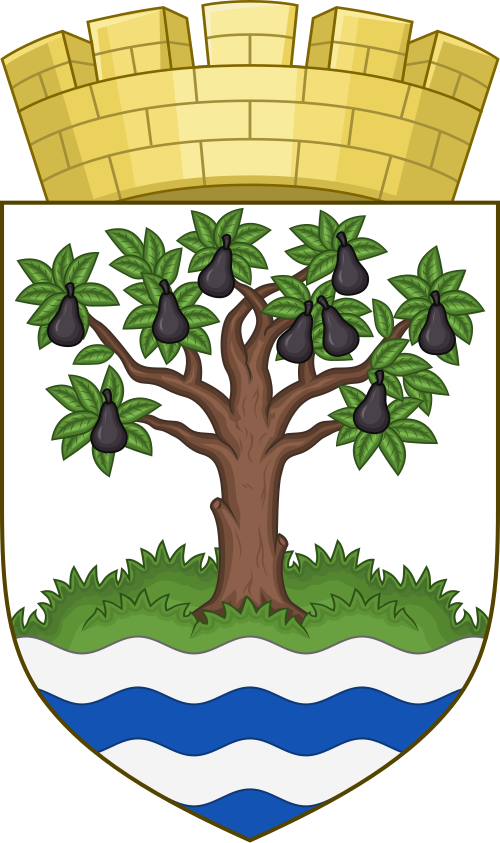
Worcestershire
A county in the West Midlands, famous for its orchards, the Malvern Hills AONB, and the cathedral and porcelain heritage of Worcester.

Planning Permission in Worcestershire
Planning permission in Worcestershire is obtained from the relevant district or borough council. Worcester City is a separate planning authority. Worcestershire County Council administers minerals and waste planning but has no role in residential planning decisions.
Malvern Hills District Council's planning pages provide access to its adopted Local Plan (2016-2036). Policy DS2 (Design) is the primary design policy, requiring development to be of high quality and to respond positively to the character of the local area. Within the Malvern Hills AONB, which covers a significant proportion of the district, the AONB Management Plan is a material consideration and applications must include a landscape and visual impact assessment. The council's planning officers work closely with the AONB Conservation Board in assessing development proposals within or affecting the designated landscape.
Wychavon District Council covers the Vale of Evesham and the area around Droitwich and Pershore. The council's adopted South Worcestershire Development Plan (shared with Malvern Hills and Worcester City) is the primary policy framework. The SWDP's design policies require development to be of high quality and to reflect the character of Wychavon's diverse settlement types, from the Cotswold fringe villages of the Cotswold Edge to the horticultural landscapes of the Avon Vale.
Community Infrastructure Levy is charged by Wychavon District Council, Malvern Hills District Council and other Worcestershire local planning authorities. The self-build exemption is available from all CIL-charging authorities. Applicants should confirm the CIL position with the relevant district council before committing to a site.
The Malvern Hills AONB Management Plan is a material consideration for all applications within the AONB. The AONB Conservation Board can be consulted at the pre-application stage for guidance on design and landscape requirements. The conservation board publishes detailed guidance on acceptable building materials, proportions and landscape integration for development in the Malvern Hills landscape.
Bromsgrove District Council covers the southern fringe of the West Midlands conurbation, including the Green Belt that separates Bromsgrove from Birmingham. The council's planning environment is dominated by Green Belt policies, and self-build opportunities in the district are largely restricted to infill within settlement boundaries and replacement dwellings in the open countryside.
Validation requirements across Worcestershire's district councils include a completed application form, location and site plans, a design and access statement, and the statutory fee. Additional site-specific requirements include flood risk assessments for sites in the Severn, Teme and Avon floodplains, heritage impact assessments for sites near the county's medieval churches and listed buildings, ecological surveys for sites near the Malvern Hills AONB or Wyre Forest habitats, and landscape and visual impact assessments for AONB and open countryside sites.
Malvern Hills District Council's planning pages provide access to its adopted Local Plan (2016-2036). Policy DS2 (Design) is the primary design policy, requiring development to be of high quality and to respond positively to the character of the local area. Within the Malvern Hills AONB, which covers a significant proportion of the district, the AONB Management Plan is a material consideration and applications must include a landscape and visual impact assessment. The council's planning officers work closely with the AONB Conservation Board in assessing development proposals within or affecting the designated landscape.
Wychavon District Council covers the Vale of Evesham and the area around Droitwich and Pershore. The council's adopted South Worcestershire Development Plan (shared with Malvern Hills and Worcester City) is the primary policy framework. The SWDP's design policies require development to be of high quality and to reflect the character of Wychavon's diverse settlement types, from the Cotswold fringe villages of the Cotswold Edge to the horticultural landscapes of the Avon Vale.
Community Infrastructure Levy is charged by Wychavon District Council, Malvern Hills District Council and other Worcestershire local planning authorities. The self-build exemption is available from all CIL-charging authorities. Applicants should confirm the CIL position with the relevant district council before committing to a site.
The Malvern Hills AONB Management Plan is a material consideration for all applications within the AONB. The AONB Conservation Board can be consulted at the pre-application stage for guidance on design and landscape requirements. The conservation board publishes detailed guidance on acceptable building materials, proportions and landscape integration for development in the Malvern Hills landscape.
Bromsgrove District Council covers the southern fringe of the West Midlands conurbation, including the Green Belt that separates Bromsgrove from Birmingham. The council's planning environment is dominated by Green Belt policies, and self-build opportunities in the district are largely restricted to infill within settlement boundaries and replacement dwellings in the open countryside.
Validation requirements across Worcestershire's district councils include a completed application form, location and site plans, a design and access statement, and the statutory fee. Additional site-specific requirements include flood risk assessments for sites in the Severn, Teme and Avon floodplains, heritage impact assessments for sites near the county's medieval churches and listed buildings, ecological surveys for sites near the Malvern Hills AONB or Wyre Forest habitats, and landscape and visual impact assessments for AONB and open countryside sites.
Most self-build projects don't fail because of bad ideas. They fail because the people behind them were navigating alone - without the knowledge, the contacts, or the systems that experienced developers take for granted.
80% of private self-builders overspend by 25-30%. Delays, disputes, and hidden costs that nobody warned them about. It doesn't have to be this way.
Lynx Copilot is the AI agent built to level the playing field. It gives you instant clarity on what you can build, what it will genuinely cost, and what needs to happen next - with licensed architect review at every critical decision point. You get the expertise of an experienced team without the agency price tag.
→ Plan smarter - start your free self-build with Lynx Copilot